Somatropin [hGH (rDNA origin) for injection] — 191 amino acid, poly-peptide hormone
Description
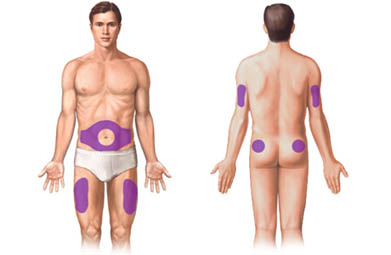
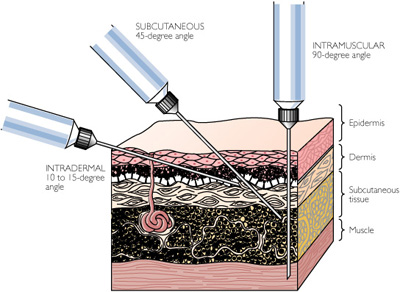
ZENOSIM 10IU is a sterile, non-pyrogenic, white, lyophilized powder intended for subcutaneous or intramuscular injection after reconstitution with Bacteriostatic Water for Injection, USP (0.9% Benzyl Alcohol). The reconstituted solution has a pH of 6.5 to 10. ZENOSIM 10IU is available in 10IU somatropin vial composition.
Somatropin
Somatropin is a form of human growth hormone. Human growth hormone is important in the body for the growth of bones and muscles. Somatropin is also used to prevent severe weight loss in people with AIDS, or to treat short bowel syndrome and may also be used for other purposes not listed in this medication guide.
Important: Before you receive somatropin, tell your doctor about all your past and present medical conditions, especially allergies, trauma, surgery, diabetes, cancer, breathing problems, liver or kidney disease, scoliosis, high blood pressure, pancreas disorder, underactive thyroid, or a brain tumor. Also tell your doctor about all other medications you use, especially steroids or diabetes medications. Your dosages of these medicines may need to be changed when you start using somatropin. Do not stop using a steroid suddenly or change any of your medication doses without your doctor’s advice.
ZENOSIM 10IU treats the following conditions
- Growth Hormone Deficiency
- Hypopituitarism in Adults
- Turner Syndrome
- Idiopathic Short Stature
- Short stature childhood cases
Somatropin is used to treat growth failure in children and adults who lack natural growth hormone, and in those with chronic kidney failure, Noonan syndrome, Turner syndrome, short stature at birth with no catch-up growth, and other causes.
Growth hormone deficiency (GHD / aGHD)
Growth hormone deficiency occurs when the pituitary gland — which secretes hormones regulating homeostasis — produces an low amount of growth hormone. This deficiency in growth hormone results in a slower rate of growth.
There are a number of possible causes for poor growth hormone production in childhood. There may have been improper formation of the hypothalamus (one of the most important functions of the hypothalamus is to link the nervous system to the endocrine system via the pituitary gland (hypophysis) or pituitary gland itself before birth. Head injuries, brain tumors, and brain damage due to disease or iradiation can also cause poor functioning of the pituitary gland. There are various ways to determine GHD including stim-tests.
ZENOSIM 10IU is used for the treatment of children who have growth failure due to low production of natural growth hormone but also in adults that suffer of aGHD (adult Growth Hormone Deficiency).
Contraindications
ZENOSIM 10IU is contraindicated in patients with a known hypersensitivity to somatropin or any of its excipients. ZENOSIM 10IU reconstituted with Bacteriostatic Water for Injection, USP (0.9% Benzyl Alcohol) should not be administered to patients with a known sensitivity to Benzyl Alcohol (see Warnings). Somatropin should not be used for growth promotion in pediatric patients with closed epiphyses.
Somatropin is contraindicated in patients with active proliferative or severe non-proliferative diabetic retinopathy. In general, somatropin is contraindicated in the presence of active malignancy. Any pre-existing malignancy should be inactive and its treatment complete prior to instituting therapy with somatropin. Somatropin should be discontinued if there is evidence of recurrent activity. Since growth hormone deficiency may be an early sign of the presence of a pituitary tumor (or, rarely, other brain tumors), the presence of such tumors should be ruled out prior to initiation of treatment. Somatropin should not be used in patients with any evidence of progression or recurrence of an underlying intracranial tumor.
Somatropin should not be used to treat patients with acute critical illness due to complications following open heart surgery, abdominal surgery or multiple accidental trauma, or those with acute respiratory failure. Somatropin is contraindicated in patients with Prader-Willi syndrome who are severely obese or have severe respiratory impairment unless patients with Prader-Willi syndrome also have a diagnosis of growth hormone deficiency.
Before you receive somatropin, tell your doctor if you have ever had an allergic reaction to a growth hormone medicine, or to drug preservatives such as benzyl alcohol, metacresol or glycerin. You should not use this medication if you are allergic to somatropin, or if you have: diabetic retinopathy (a serious eye condition caused by diabetes), cancer or Prader-Willi syndrome and are also overweight or have sleep apnea or severe respiratory (lung) problems. You should also not use somatropin if you have a serious medical condition after having: open heart surgery or stomach surgery; trauma or other medical emergency; or breathing problems (such as lung failure).
Adverse reactions
Growth Hormone Deficient Pediatric Patients. As with all protein pharmaceuticals, a small percentage of patients may develop antibodies to the protein. Anti-growth hormone (GH) antibody capacities below 2 mg/L have not been associated with growth attenuation. In some cases when binding capacity exceeds 2 mg/L, growth attenuation has been described. In clinical studies with ZENOSIM 10IU involving 280 patients (204 naive and 76 transfer patients), one patient at 6 months of therapy developed anti-GH antibodies with binding capacities exceeding 2 mg/L. Despite the high binding capacity, these antibodies were not growth attenuating. The patient was subsequently shown to have a hGH-N gene defect. Thus, genetic analysis should be undertaken in any patient in whom anti-GH antibodies with high binding capacities occur. No antibodies against proteins of the host cells were detected in the sera of patients treated up to five years. Any patient with well-documented growth hormone deficiency who fails to respond to therapy should be tested for antibodies to human growth hormone and for thyroid status.
In clinical studies in which ZENOSIM 10IU was administered to growth hormone deficient children, the following events were infrequently seen: local reactions at the injection site (such as pain, numbness, redness and swelling), hypothyroidism, hypoglycemia, seizures, exacerbation of preexisting psoriasis and disturbances in fluid balance. Leukemia has been reported in a small number of growth hormone deficient patients treated with growth hormone. It is uncertain whether this increased risk is related to the pathology of growth hormone deficiency itself, growth hormone therapy, or other associated treatments such as radiation therapy for intracranial tumors. So far, epidemiological data fail to confirm the hypothesis of a relationship between growth hormone therapy and leukemia.
Growth Hormone Deficient Adult Patients. During the 6 month placebo-controlled study, adverse events were reported in 56 patients (93.3%) in the somatropin-treated group and 42 patients (76.4%) in the placebo-treated group. Arthralgia, myalgia, peripheral edema, other types of edema, carpal tunnel syndrome, paraesthesia and hypoaesthesia were common in the somatropin-treated patients and reported more frequently than in the placebo group. These types of adverse events are thought to be related to the fluid accumulating effects of somatropin. During the placebo-controlled portion of the study, approximately 10% of patients without preexisting diabetes mellitus or impaired glucose tolerance treated with somatropin manifested mild, but persistent, abnormalities of glucose tolerance, compared with none in the placebo group. During the open label phase of the study, approximately 10% of patients treated with somatropin required a small upward adjustment of thyroid hormone replacement therapy for preexisting central hypothyroidism and 1 patient was newly diagnosed with central hypothyroidism. In addition, during the open label phase of the study, when all patients were being treated with somatropin, two patients with preexisting central hypoadrenalism required upward titration of hydrocortisone maintenance therapy which was considered to be suboptimal (unrelated to intercurrent stress, surgery or disease), and 1 patient was diagnosed de novo with central adrenal insufficiency after six months of somatropin treatment. Anti-GH antibodies were not detected.
Overdosage
Short-term overdosage could lead initially to hypoglycemia and subsequently to hyperglycemia. Moreover, overdose with somatropin is likely to cause fluid retention. Long-term overdosage could result in signs and symptoms of gigantism and/or acromegaly consistent with the known effects of excess human growth hormone.
Drug interactions
Somatropin inhibits 11β-hydroxysteroid dehydrogenase type 1 (11βHSD-1) in adipose/hepatic tissue and may significantly impact the metabolism of cortisol and cortisone. As a consequence, in patients treated with somatropin, previously undiagnosed central (secondary) hypoadrenalism may be unmasked requiring glucocorticoid replacement therapy. In addition, patients treated with glucocorticoid replacement therapy for previously diagnosed hypoadrenalism may require an increase in their maintenance or stress doses; this may be especially true for patients treated with cortisone acetate and prednisone since conversion of these drugs to their biologically active metabolites is dependent on the activity of the 11βHSD-1 enzyme. Excessive glucocorticoid therapy may attenuate the growth promoting effects of somatropin in children.